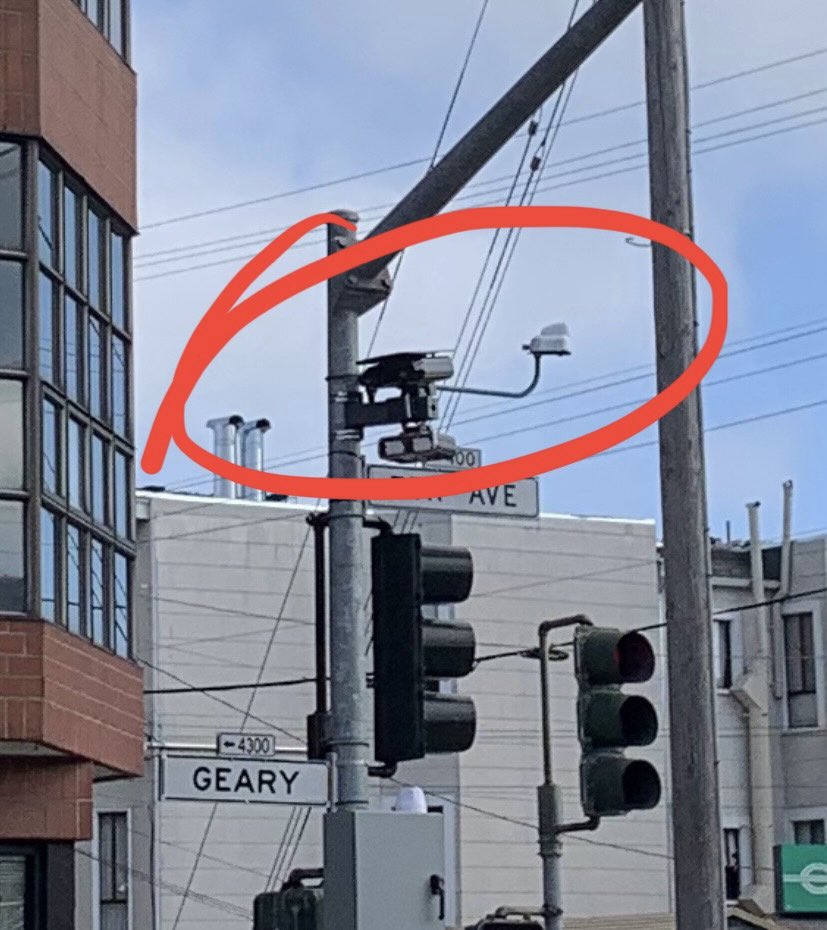
If you just opened your mail to find a Notice of Violation from the San Francisco Municipal Transportation Agency (SFMTA), your first instinct is probably frustration. San Francisco’s automated speed enforcement program—authorized under Assembly Bill 645—is officially active, and cameras are now live across 33 high-injury corridors.
But here is the good news: unlike a ticket handed to you by an officer, these camera-issued citations are civil penalties, not criminal offenses. They don’t add points to your license, and they won’t hike your insurance. Most importantly, there are several legal ways to fight them.
This guide will show you how to contest your San Francisco speed camera ticket and win.
The Cost of Speeding in San Francisco
The SFMTA uses a tiered fine system based on how many miles per hour (mph) you were over the limit.
| Speed Over Limit | Fine Amount |
|---|---|
| 11–15 mph | $50 |
| 16–25 mph | $100 |
| 26+ mph | $200 |
| 100+ mph | $500 |
Note: Fines are reduced by 50% to 80% for low-income residents who qualify for SFMTA financial assistance programs.
How to Fight Your Ticket: 4 Winning Defense Strategies
Don’t just pay the fine yet. Under the AB 645 pilot program, the city must follow strict rules. If they fail on any of these points, you have grounds to have your ticket dismissed.
1. The 60-Day “Warning Period” Rule
By law, when a new speed camera is installed in San Francisco, the city is required to issue only warnings for the first 60 days. If your ticket was issued during the first two months of a camera’s operation at a specific location, you should not be paying a fine. Check our SF Speed Camera Map to see when specific cameras went live.
2. Improper Signage Defense
The law requires San Francisco to place clear signage within 500 feet of every speed camera location. If the signs were obstructed by trees, graffiti, or construction, or if the signs were not present, the ticket is invalid. If you can safely take a photo of the lack of visibility, you can use it as evidence in your protest.
3. The “Not the Driver” Defense
Because these cameras photograph your license plate and not the driver’s face, the ticket is sent to the registered owner of the vehicle. If you were not driving the car at the time (e.g., you sold the car, it was a rental, or a family member was driving), you can submit an Affidavit of Non-Liability.
4. Image Clarity and Technical Errors
Automated systems make mistakes. If the photo provided in your Notice of Violation is blurry, if the license plate is misread, or if there is another vehicle in the frame that could have triggered the sensor, you can contest the accuracy of the evidence.
How to File Your Protest
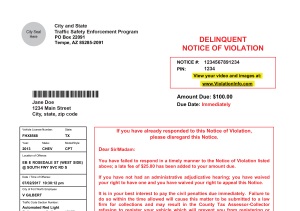

You have 21 days from the date the ticket was issued (or 14 days from the date of the “Delinquent Notice”) to protest.
- Administrative Review: Visit the SFMTA Protest Page and upload your evidence (photos, registration info, etc.).
- Administrative Hearing: If your initial protest is denied, you can request a hearing. You can do this by mail, by phone, or in person.
- Appeals Court: If you still disagree with the decision, you can appeal through the San Francisco Superior Court.
The Best Way to Win? Never Get the Ticket.
While fighting a ticket is possible, the easiest way to “win” is to avoid the camera’s reach entirely. The city’s goal is to generate revenue and slow down traffic, but your goal is to protect your wallet.
TicketGuard is a free app designed specifically to level the playing field for drivers. It provides real-time, location-aware alerts as you approach known speed camera zones in San Francisco.
- Avoid $50–$500 fines with proactive alerts.
- Stay updated as the SFMTA rolls out more of the 33 planned cameras.
- Drive with peace of mind knowing you won’t have a “Notice of Violation” waiting in your mailbox.
Don’t let a robot take your hard-earned money. Download TicketGuard for Free Today and stay one step ahead of San Francisco’s speed cameras.